Water emergencies rarely give you a warning. A burst pipe, failed water heater, or hidden leak can turn into major damage in minutes if you don’t know how to shut the water off fast. This guide walks you through finding and using your home’s main water shutoff valve—before you ever need it.
Why Knowing Your Main Water Shutoff Matters
Your main shutoff valve controls all water entering your home. In an emergency, closing it quickly can:
-
Limit water damage to floors, walls, and cabinets
-
Reduce repair costs
-
Buy time while you schedule professional help
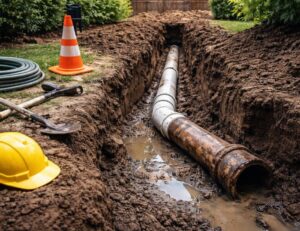
Many homeowners only look for it after a problem starts—which is often too late. If you’ve dealt with ongoing moisture or mystery leaks, professional leak detection and repair can help identify vulnerable areas before a failure occurs.
Common Places to Find the Main Water Shutoff Valve
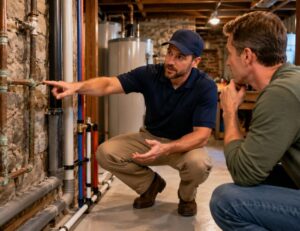
Most homes place the valve where the water line enters the structure. Check these common spots:
-
Basement near the front foundation wall
-
Crawl space close to ground level
-
Utility or mechanical room
-
Near the water heater or main plumbing line
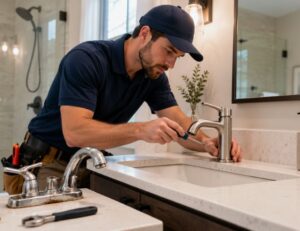
If you’re unsure where your main line runs, a licensed plumber can help trace it as part of general plumbing and fixture repairs.
Types of Main Water Shutoff Valves
Knowing the valve type helps you operate it correctly.
Gate Valves
-
Round wheel handle
-
Turn clockwise several times to close
-
Common in older homes
Ball Valves
-
Lever-style handle
-
Quarter-turn operation
-
Handle perpendicular to pipe = OFF
If your valve is difficult to turn or visibly corroded, it may be time for a replacement during a piping and repiping upgrade.
How to Shut Off Your Home’s Water Safely
Follow these steps before an emergency ever happens:
-
Locate the valve and clear any obstructions
-
Turn slowly—never force it
-
Confirm water is off by opening a faucet
-
Tag or label the valve for easy identification
For homes with complex systems or aging components, routine inspections can help prevent emergencies tied to water heaters or supply lines.
What to Do If the Valve Doesn’t Work
If the valve won’t close completely or starts leaking:
-
Stop turning immediately
-
Avoid using water inside the home
-
Call a licensed plumber
Ignoring a failing shutoff can lead to bigger issues, especially if combined with basement risks like failed sump or sewage pumps.
When to Call a Professional Plumber
You should schedule professional help if:
-
You can’t locate the valve
-
The valve is seized or leaking
-
You want to upgrade to a modern ball valve
A trusted local plumber can evaluate your system and make sure everything is accessible and reliable. You can learn more about experience and credentials on the About Us page or schedule service directly through the Contact Us page.
TL;DR / Key Takeaways
-
Your main water shutoff valve controls all water entering your home
-
Find it before an emergency and make sure it works
-
Older or damaged valves should be replaced proactively
-
Professional inspections help prevent costly water damage