Kitchen and bathroom remodeling often begins with the parts homeowners can see: countertops, cabinets, tile, sinks, showers, faucets, and finishes.
But many of the most important decisions happen behind those finished surfaces.
Plumbing affects where fixtures can go, how the space functions, what upgrades can be incorporated, and what work needs to happen before walls and floors are finished.
At J.L. Wagner Plumbing & Piping Inc., we encourage homeowners to think about plumbing early in the remodeling process rather than treating it as something to address after the design is complete.
Here are seven plumbing decisions worth making before construction gets underway.
1. Decide Where Major Plumbing Fixtures Will Go
One of the first questions is whether sinks, toilets, showers, tubs, dishwashers, and other plumbing fixtures will remain in their existing locations.
Keeping a similar layout can be very different from redesigning the entire room.
Moving fixtures may affect supply piping, drain lines, venting, and other parts of the plumbing system.
That’s why plumbing should be considered during the design phase of a residential remodeling project.
Before falling in love with a particular layout, make sure the plumbing requirements are part of the conversation.
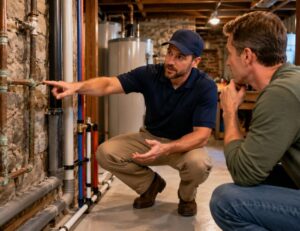
2. Determine Whether Existing Pipes Need Attention
Remodeling can provide an opportunity to evaluate plumbing that will otherwise be concealed again once the project is finished.
This can be particularly important in an older home.
If existing piping is approaching the end of its useful service life or already showing signs of problems, homeowners may want to discuss whether repairs or replacement make sense during the remodel.
J.L. Wagner Plumbing & Piping Inc. provides professional piping and repiping services when more extensive piping work is appropriate.
Our guide to plumbing upgrades during kitchen and bathroom remodeling also provides additional considerations.
3. Choose Fixtures Before the Last Minute
Fixture selection isn’t merely decorative.
Different faucets, sinks, toilets, showers, tubs, and other components can have different installation requirements.
Choosing important fixtures earlier can help everyone understand what the finished design requires.
Homeowners comparing options can review our guide to choosing plumbing fixtures.
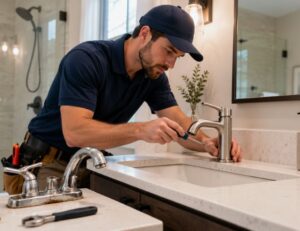
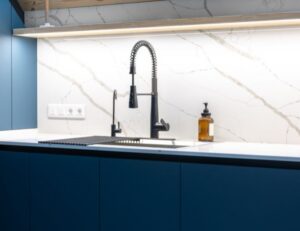
Professional faucet services can also help with one of the most frequently used fixture types in kitchens and bathrooms.
Think About Everyday Use
Don’t select fixtures entirely based on appearance.
Think about who uses the room and how.
A busy family bathroom has different priorities from a powder room. A kitchen used for frequent cooking and entertaining may have different needs from one used by a smaller household.
Function should help guide design.
4. Plan Drainage Around the New Layout
Water entering a room is only half of the plumbing equation.
It also has to drain properly.
Changes to sinks, showers, tubs, and other fixtures may affect how the drainage system needs to be configured.
Existing drain problems should also be addressed before a newly remodeled space is completed.
If a sink or other fixture regularly drains slowly, don’t assume the remodel itself will solve the underlying problem.
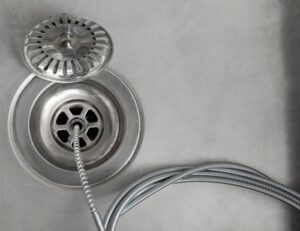
Professional drain cleaning and rodding can address drainage concerns, while a drain video inspection may help investigate recurring or less obvious issues.
5. Decide Whether the Kitchen Needs a New Garbage Disposal
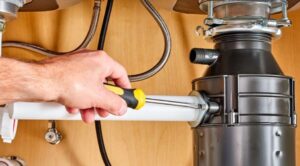
If you’re remodeling a kitchen, this is also a natural time to evaluate the garbage disposal.
Will the existing unit remain?
Does the new sink configuration support the setup you want?
Would replacing an aging disposal make sense while other plumbing work is underway?
J.L. Wagner Plumbing & Piping Inc. provides garbage disposal services for homeowners dealing with installation and replacement needs.
You can also review our guide to garbage disposal installation costs when researching the project.
6. Consider the Home’s Hot-Water Needs
A bathroom remodel may change how much hot water your household expects from the plumbing system.
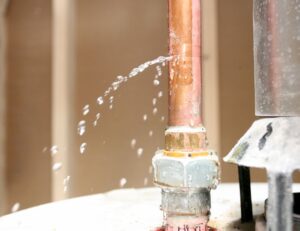
A new shower configuration, additional bathroom, or other upgraded fixtures can be a good reason to consider whether your existing water heater continues to match your household’s needs.
J.L. Wagner Plumbing & Piping Inc. provides residential water heater services for homeowners evaluating their systems.
Tankless technology is another option some households investigate. Our guide to the benefits of tankless water heaters can help homeowners begin comparing the possibilities.
7. Think About Water Efficiency
A remodel creates an opportunity to reconsider how fixtures use water.
New faucets, toilets, and other plumbing fixtures can be selected with both appearance and efficiency in mind.
Our guide to improving water efficiency at home provides practical ideas for homeowners who want to reduce unnecessary water use.
The best approach is to think about efficiency during product selection rather than after the remodeling work is complete.
Coordinate Plumbing Before Finishes Go In
The sequence of a remodeling project matters.
Plumbing changes should be identified before new walls, cabinets, tile, flooring, and other finished materials make access more difficult.
This is particularly important when the remodel involves relocated fixtures or changes to existing piping.
Planning ahead can also help homeowners avoid common plumbing installation mistakes.
A coordinated approach allows the visible design and the plumbing behind it to work together.
Start Your Remodel With a Complete Plumbing Plan
A beautiful kitchen or bathroom still needs to function every day.
Before construction begins, know where the fixtures will go, what existing piping may need attention, how drainage will work, and whether your water heater and other plumbing components support the finished design.
When you’re ready to discuss the plumbing portion of your renovation, contact J.L. Wagner Plumbing & Piping Inc. to talk about your project.
Key Takeaways
Make plumbing decisions before finalizing a kitchen or bathroom remodeling layout.
Determine whether major fixtures will remain in place or move to new locations.
Evaluate accessible existing piping before new walls and finishes conceal it again.
Choose important plumbing fixtures early enough to account for their installation requirements.
Address existing drainage problems before completing the remodeled room.
Consider whether changes to the home will affect hot-water needs.
Use remodeling as an opportunity to consider more water-efficient plumbing fixtures.