A kitchen or bathroom remodel is the perfect time to upgrade more than just cabinets, countertops, and tile. Behind the walls and beneath the floors, your plumbing system plays a critical role in performance, efficiency, and long-term reliability.
If you’re already opening up walls, relocating fixtures, or updating finishes, it makes sense to evaluate whether your plumbing should be upgraded too. Making smart plumbing decisions during a remodel can prevent future problems, improve water efficiency, and increase your home’s value.
Here’s what homeowners should consider before finishing their kitchen or bathroom renovation.
1. Upgrade Old or Aging Pipes
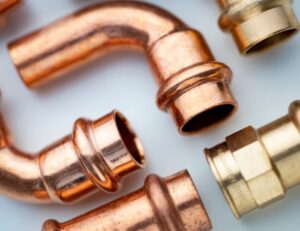
If your home has older piping materials, a remodel is an ideal opportunity to inspect and upgrade them.
Over time, plumbing pipes can:
-
Corrode
-
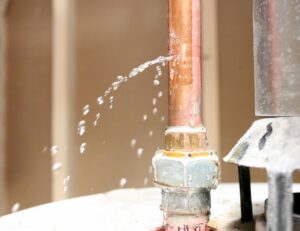
Develop pinhole leaks
-
Reduce water pressure
-
Affect water quality
If you’re unsure about the condition of your piping, services like piping and repiping can modernize your system and prevent hidden leaks behind newly finished walls.
You can also learn more about pipe lifespan in this article on how long copper plumbing lasts.
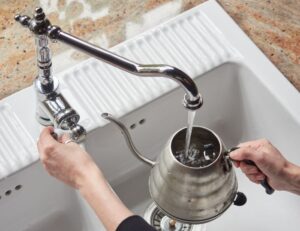
2. Install High-Efficiency Plumbing Fixtures
Remodels are the perfect time to upgrade fixtures for both style and performance.
Modern fixtures can:
-
Reduce water usage
-
Lower utility bills
-
Improve water pressure consistency
-
Provide hands-free functionality
Consider upgrading:
-
Faucets (residential faucet services)
-
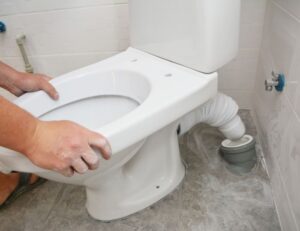
Toilets
-
Showerheads
-
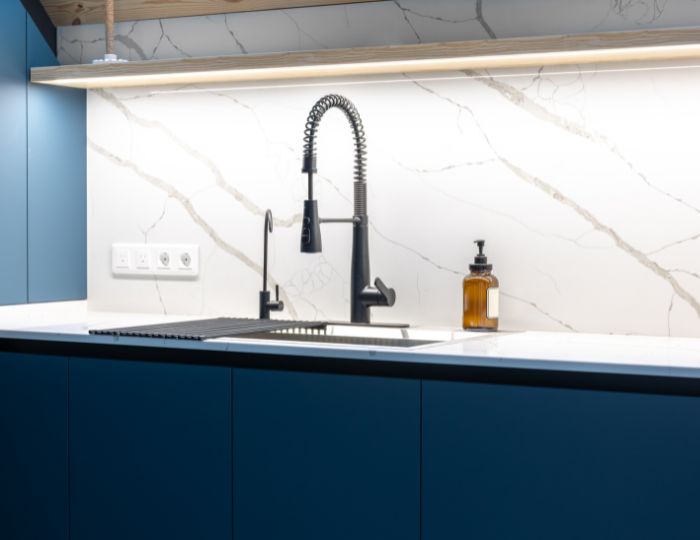
Touchless options for kitchens
If you’re planning a larger update, this guide on choosing the right plumbing fixtures can help you narrow your options.
3. Replace or Upgrade Your Water Heater
A remodel often increases water demand — especially if you’re adding:
-
A larger soaking tub
-
Multiple shower heads
-
A basement bathroom
-
A luxury kitchen sink setup
If your system struggles to keep up, it may be time for an upgrade. Professional water heater services can help ensure your new space performs as beautifully as it looks.
Watch for warning signs outlined in signs your water heater needs immediate repair.
4. Add or Update Gas Lines (If Applicable)
If your remodel includes a gas cooktop, gas range, or future appliance upgrades, you may need new or relocated gas lines.
Licensed professionals offering natural gas piping ensure your system is installed safely and up to code.
Gas line modifications are not DIY projects — proper pressure testing and code compliance are essential.
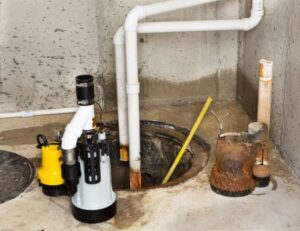
5. Upgrade Drain and Sewer Lines
While walls are open, it’s wise to inspect your drainage system — especially in older homes.
Recurring clogs, slow drains, or foul odors may signal deeper issues.
Consider:
-
Professional drain cleaning and rodding
-
Evaluation of larger sewer services
Addressing these issues during a remodel is far less disruptive than tearing into finished tile later.
6. Install a Garbage Disposal or Upgrade an Old One
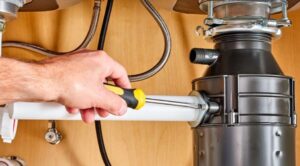
Kitchen remodels often include a new sink — which makes it the ideal time to add or replace a disposal.
If you’re unsure what’s involved, review garbage disposal services or learn about pricing in this guide on how much it costs to install a garbage disposal.
Proper installation ensures quiet operation and reduces the risk of leaks.
7. Consider Leak Detection and Protection
Remodeling is also the perfect time to think proactively.
Installing updated shutoff valves and monitoring systems can protect your investment. If you’ve ever wondered how professionals locate hidden issues, this breakdown of how plumbers find underground leaks explains the technology involved.
You may also want to review leak detection and repair services to safeguard your newly renovated space.
8. Don’t Forget Code Compliance and Professional Oversight
Permits, inspections, and code compliance matter — especially when relocating fixtures or modifying supply and drain lines.
Working with experienced professionals during a remodel ensures:
-
Proper venting
-
Safe water line installation
-
Code-compliant drainage
-
Long-term reliability
If you’re unsure where to start, reviewing what a plumber does can help clarify the scope of professional plumbing services.
Why Upgrading Plumbing During a Remodel Saves Money Long-Term
Once walls are closed and tile is installed, plumbing updates become far more expensive and disruptive.
Upgrading during a remodel:
-
Prevents future demolition
-
Improves energy and water efficiency
-
Enhances resale value
-
Reduces the risk of emergency repairs
If you’re planning fixture updates, relocations, or full plumbing adjustments, residential remodeling plumbing services ensure everything works seamlessly behind the scenes.
TL;DR – Key Takeaways
-
A kitchen or bathroom remodel is the ideal time to upgrade aging plumbing.
-
Consider repiping, fixture upgrades, water heater improvements, and gas line modifications.
-
Inspect drains and sewer lines before closing walls.
-
Modern fixtures improve efficiency and lower utility costs.
-
Professional oversight ensures safety, code compliance, and long-term reliability.